
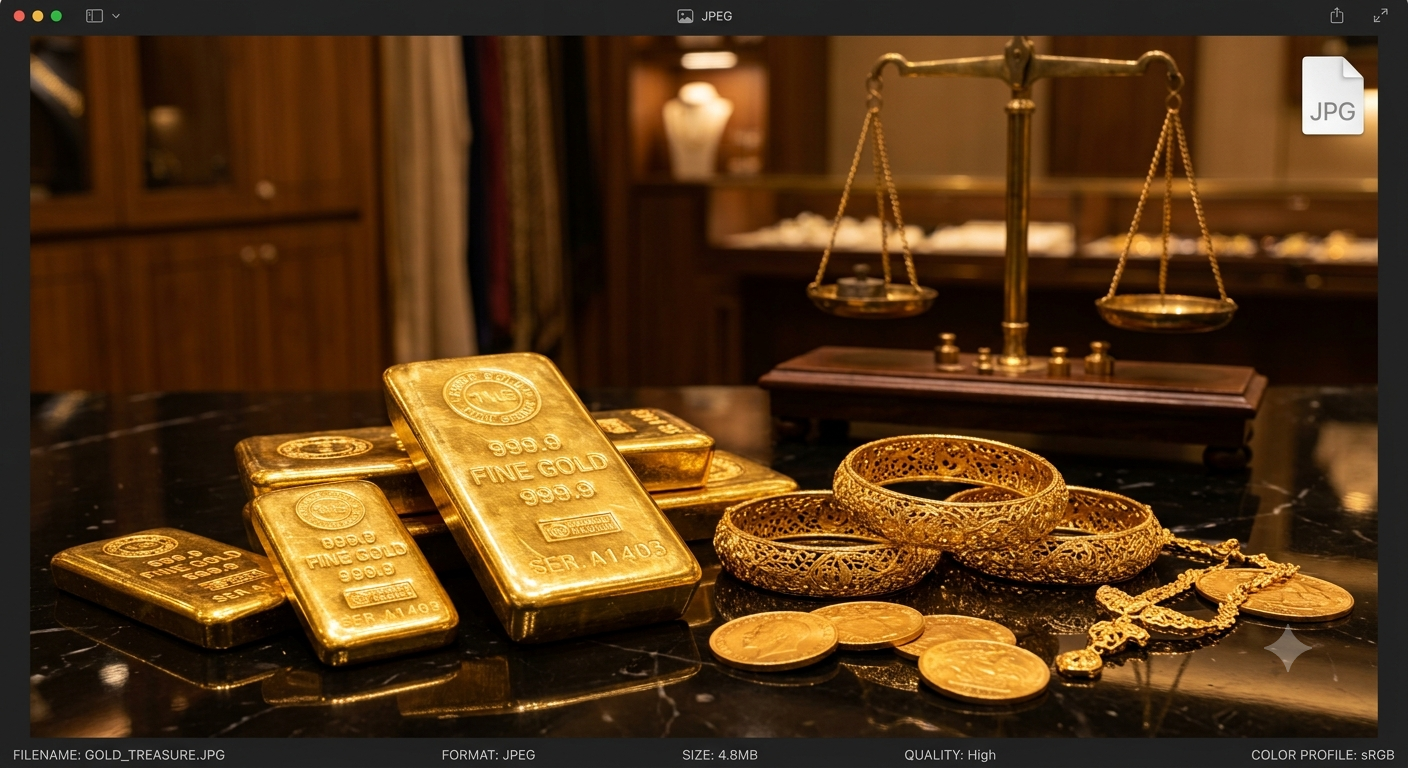
Gold has always held a special place in the hearts of people across South Asia. Whether it is for investment, weddings, festivals, or simply as a symbol of wealth and security, gold remains one of the most trusted assets in the region. One of the most searched queries every single day is “gold price today per tola.” This article explains everything you need to know about how gold prices are determined, why they change daily, and how you can track them effectively.
What Does “Per Tola” Mean?
Before diving into the details of pricing, it is important to understand the unit of measurement itself. A tola is a traditional unit of mass used widely across South Asia, particularly for measuring gold and silver. One tola is equivalent to approximately 11.66 grams. Unlike the ounce, which is commonly used in international markets, the tola remains the preferred unit for local jewelers, buyers, and sellers in the region because it aligns with centuries-old trading customs.
When someone searches for “gold price today per tola,” they are essentially looking for the current market value of 11.66 grams of gold, converted into local currency, based on the day’s international and domestic rates.
Why Does the Gold Price Change Every Day?
Gold is a globally traded commodity, and its price is influenced by a wide range of factors that shift constantly. Unlike fixed-price goods, gold rates fluctuate multiple times within a single day depending on market conditions. Here are the primary reasons behind these daily changes:
1. International Bullion Market Trends
The global gold price, typically quoted in US dollars per ounce, sets the baseline for local rates everywhere. When international markets in London, New York, or Zurich experience movement due to investor sentiment, economic data releases, or geopolitical developments, these changes ripple down to local markets almost immediately.
2. Currency Exchange Rate Fluctuations
Since gold is priced internationally in US dollars, the strength or weakness of the local currency against the dollar has a direct impact on the local gold price. If the local currency weakens, gold becomes more expensive in local terms, even if the international price remains unchanged. Conversely, a stronger local currency can help offset rising international prices.
3. Inflation and Economic Uncertainty
Gold is widely regarded as a safe-haven asset. During periods of high inflation, economic slowdown, or political instability, investors tend to move their money into gold to protect their wealth. This increased demand pushes prices upward. On the other hand, when economies stabilize and confidence returns to riskier assets like stocks, gold demand can soften.
4. Central Bank Policies
Central banks around the world hold significant gold reserves and periodically buy or sell gold as part of their monetary policy strategies. Interest rate decisions, particularly from major economies, also influence gold prices. Lower interest rates generally make gold more attractive since it does not offer a competing yield, while higher rates can dampen demand.
5. Local Demand and Seasonal Factors
In South Asia, gold demand often spikes during wedding seasons and religious festivals. This seasonal surge in local demand can cause short-term price variations that may not always align perfectly with international trends.
6. Import Duties and Taxes
Government policies on gold imports, including customs duties and taxes, also play a role in shaping the final retail price that consumers see. Changes in these policies can cause noticeable shifts in the per-tola price, independent of global market movements.
How Is the Gold Price Per Tola Calculated?
Understanding the calculation process can help buyers make sense of the numbers they see quoted by jewelers and market associations. The general formula works as follows:
- The international gold price per ounce is obtained from global bullion markets.
- This price is converted into local currency using the current exchange rate.
- The price per ounce is then converted into price per gram (since one ounce equals approximately 31.1 grams).
- Finally, the price per gram is multiplied by 11.66 to arrive at the price per tola.
Local associations and jewelers may also add small adjustments based on making charges, purity levels, and regional market conditions, which is why prices can vary slightly between different cities or sellers.
Understanding Gold Purity: 24K, 22K, and 21K
Another important factor that affects the price per tola is the purity or karat value of the gold. Gold purity is measured in karats, with 24 karat being the purest form.
- 24K Gold: This is 99.9% pure gold and commands the highest price. It is often used for investment purposes, such as gold bars and coins, rather than everyday jewelry, since pure gold is relatively soft.
- 22K Gold: This contains about 91.6% pure gold, mixed with other metals like copper or silver for added strength. It is a popular choice for jewelry in many households.
- 21K Gold: With approximately 87.5% purity, this is also widely used in jewelry making, striking a balance between value and durability.
- 18K Gold: Containing about 75% pure gold, this variant is often used in more intricate jewelry designs due to its added strength and lower cost compared to higher karat options.
When checking the gold price today per tola, it is essential to note which purity level the quoted price refers to, as the difference between 24K and 21K rates can be substantial.
How to Check the Gold Price Today Per Tola
There are several reliable ways to stay updated on daily gold rates:
Local Jewelers Associations
Most cities have official gold and jewelers associations that publish daily rates based on international trends and local market adjustments. These are often considered the most authentic source for retail buyers.
Financial News Websites and Apps
Numerous financial platforms and mobile applications provide real-time or daily updated gold prices, often broken down by karat and unit of measurement, including per tola, per gram, and per ounce.
Bank and Investment Platforms
Some banks and investment service providers that deal in precious metals also publish daily gold rates as part of their commodity trading services.
Social Media and Messaging Channels
Many local jewelers now share daily rate updates through social media pages and messaging groups, making it convenient for regular buyers to stay informed without visiting a shop in person.
It is advisable to cross-check rates from at least two or three sources before making a significant purchase, as slight variations can exist depending on the source and the exact time of day the rate was recorded.
Best Time to Buy Gold
Timing can make a meaningful difference when purchasing gold, especially for larger investments. Here are a few tips to consider:
- Monitor Trends Over Days, Not Hours: Gold prices can fluctuate several times within a single day, so rather than reacting to minute-by-minute changes, it is often wiser to observe the general trend over a few days or weeks.
- Avoid Peak Festival and Wedding Seasons: Prices tend to rise during high-demand periods due to increased local buying activity. Purchasing during off-peak seasons can sometimes offer better value.
- Watch Currency Movements: Since exchange rates directly affect local gold prices, keeping an eye on currency trends can help identify favorable buying windows.
- Consider Global Economic Indicators: Major economic announcements, interest rate decisions, and geopolitical events can all trigger price swings. Staying informed about upcoming events can help buyers anticipate potential rate changes.
Gold as an Investment Option
Beyond jewelry, many people purchase gold specifically as an investment vehicle. Its appeal as an investment stems from several key characteristics:
- Hedge Against Inflation: Historically, gold has maintained its value over long periods, making it a popular choice for preserving purchasing power during inflationary periods.
- Portfolio Diversification: Financial advisors often recommend allocating a portion of an investment portfolio to gold, as it tends to perform differently from stocks and bonds, helping to balance overall risk.
- Liquidity: Gold is highly liquid and can be easily bought or sold in most markets, making it a flexible asset for investors who may need quick access to funds.
- Tangible Asset: Unlike digital or paper investments, physical gold offers the reassurance of a tangible asset that does not rely on any institution’s solvency.
Investors interested in gold can choose between physical forms, such as bars, coins, or jewelry, and paper-based options like gold-backed exchange-traded funds or digital gold platforms, depending on their convenience and investment goals.
Common Mistakes to Avoid When Checking Gold Prices
- Confusing Karat Levels: Always confirm whether the quoted price refers to 24K, 22K, or 21K gold, as this significantly impacts the final amount.
- Ignoring Making Charges: The per-tola rate typically reflects the raw gold value. Jewelry purchases often include additional making charges that are not part of the base rate.
- Relying on a Single Source: Prices can vary slightly between sources, so it is wise to compare rates from multiple reliable platforms.
- Overlooking Currency Impact: Buyers sometimes focus only on international gold price movements while ignoring the effect of local currency fluctuations, which can be equally significant.
- Not Accounting for Taxes: Depending on the region, additional taxes or duties may apply, affecting the final purchase price beyond the quoted per-tola rate.
Conclusion
Tracking the gold price today per tola is essential for anyone planning to buy, sell, or invest in gold. Since prices are influenced by a complex mix of international market trends, currency fluctuations, local demand, and government policies, they can change multiple times throughout the day. By understanding how these rates are calculated, recognizing the differences between purity levels, and using reliable sources to check daily updates, buyers can make more informed decisions.
Whether you are purchasing gold for a wedding, building an investment portfolio, or simply staying informed about market trends, keeping a close eye on daily per-tola rates ensures that you always have accurate and up-to-date information at your fingertips. As with any valuable investment, patience, research, and comparing multiple sources will always serve buyers well in making the most of their gold purchases.