
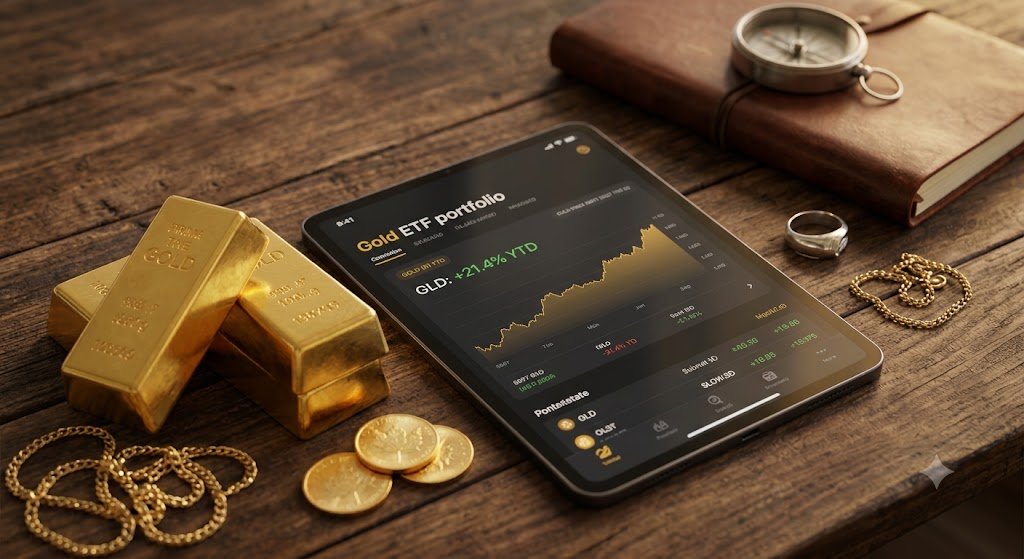
Gold has fascinated humanity for thousands of years, and even in a world dominated by digital currencies, stock markets, and complex financial instruments, one question still draws millions of searches every single day: “What is the gold price today?” Whether you are an investor tracking your portfolio, a jeweler pricing new inventory, or simply someone curious about where the market stands, understanding today’s gold price — and more importantly, what moves it — is more valuable than ever in 2026.
In this guide, we’ll break down what today’s gold price actually looks like, why it keeps changing, how it’s measured, and what factors are pushing it toward historic new highs this year.
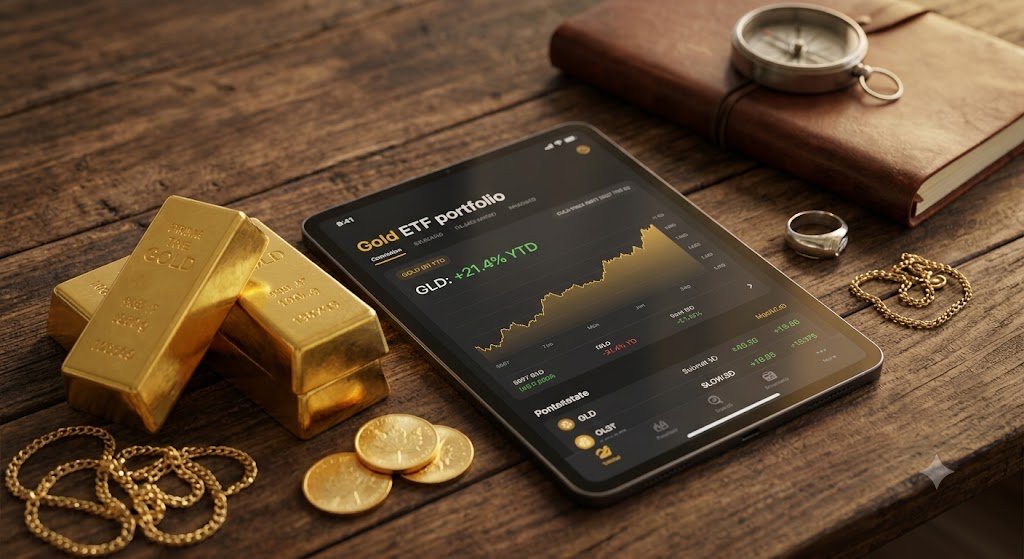
What Is the Gold Price Today?
As of late July 2026, gold is trading firmly above the $4,000 mark, hovering in the $4,050 to $4,090 range per troy ounce in the international spot market. This is a remarkable milestone. Just a few years ago, gold breaking above $2,000 an ounce was considered a major event. Now, the metal has more than doubled in value, and some of the world’s largest financial institutions believe it still has room to run.
Gold is typically quoted in troy ounces, a unit of measurement unique to precious metals. One troy ounce equals roughly 31.1 grams, which is slightly heavier than the “regular” ounce used to weigh everyday items like food or household goods. This distinction matters because mixing up the two can lead to serious miscalculations when converting the price of gold into grams or kilograms.
Gold prices are also quoted in different purities, most commonly:
- 24 Karat (24K): 99.9% pure gold, the standard for investment bars and coins.
- 22 Karat (22K): About 91.6% pure, widely used in fine jewelry.
- 21 Karat (21K): Around 87.5% pure, popular for everyday jewelry pieces.
- 18 Karat (18K): Roughly 75% pure, valued for its durability in intricate jewelry designs.
Because purity directly affects value, the price per gram or ounce drops as the karat value decreases.
Why Does the Gold Price Change Every Day?
Unlike the price of a loaf of bread or a gallon of milk, gold’s price is not set by a single authority. Instead, it moves in real time based on global supply and demand, much like a stock or a currency. Several key forces determine where the number lands on any given day.
1. Central Bank Buying
One of the biggest drivers of gold’s rise in recent years has been aggressive buying from central banks around the world. Many countries have been diversifying their reserves away from traditional currencies and into gold, viewing it as a hedge against economic uncertainty and currency devaluation. This institutional-level demand has added sustained upward pressure on prices.
2. Inflation and Interest Rates
Gold has long been considered a hedge against inflation. When the purchasing power of paper currency declines, investors often flock to gold to preserve their wealth. Interest rate policy also plays a huge role — when central banks like the U.S. Federal Reserve signal that rates will stay high or rise further, it can make interest-bearing assets more attractive than gold, which pays no yield. Conversely, expectations of rate cuts tend to boost gold prices, since holding gold becomes relatively more appealing.
3. Geopolitical Tensions
Gold is often described as a “safe-haven asset.” During periods of war, political instability, or global uncertainty, investors tend to move money out of riskier assets like stocks and into gold, which is seen as a reliable store of value regardless of political turmoil. Escalating conflicts, trade disputes, and instability in key regions have contributed meaningfully to gold’s rally this year.
4. The U.S. Dollar’s Strength
Gold and the U.S. dollar typically have an inverse relationship. Since gold is priced in dollars on international markets, a weaker dollar makes gold cheaper for buyers using other currencies, which tends to boost demand and push prices higher. A stronger dollar, on the other hand, can put downward pressure on gold prices.
5. Supply Constraints
Gold mining is a slow, capital-intensive process, and global mine production has grown at a sluggish pace — typically just 1-2% annually. Unlike other commodities that can ramp up supply relatively quickly, gold’s limited and fairly fixed supply means that even modest increases in demand can cause noticeable price movements.
6. Investor Sentiment and Speculation
Beyond the fundamentals, gold prices are also influenced by trader psychology. News headlines, market rumors, and shifting sentiment about future economic conditions can cause short-term price swings, even if the underlying fundamentals haven’t changed dramatically.
A Historic Year for Gold
2026 has already proven to be one of the most remarkable years in gold’s modern history. Earlier this year, prices touched a record high near $5,600 per troy ounce, driven by a combination of geopolitical tension, central bank accumulation, and eroding confidence in fiat currencies. While prices have pulled back somewhat since that peak, gold remains dramatically higher than it was just a couple of years ago — up more than 20% compared to the same time last year.
Some major financial institutions have issued bold forecasts for where gold could be headed by the end of the year, with predictions ranging from $6,000 to over $6,300 per ounce. These projections are based on continued central bank demand, persistent inflationary pressure, and what analysts describe as a broader structural shift away from paper assets toward tangible stores of value.
Of course, forecasts are not guarantees, and gold remains a volatile asset in the short term, capable of swinging by dozens of dollars per ounce within a single trading session.
How to Track the Gold Price in Real Time
If you want to stay updated on gold prices, there are a few reliable approaches:
- Spot price trackers: Websites dedicated to precious metals pricing update the spot price continuously throughout the trading day, reflecting real-time market activity.
- Financial news platforms: Major financial outlets provide live commodity tickers alongside broader market coverage, which is useful if you want price context alongside other economic news.
- Bullion dealer websites: Many gold and silver dealers display live pricing so buyers can see what they’ll actually pay, which often includes a small premium above the raw spot price.
- Mobile apps: Numerous finance and investment apps now offer real-time gold price alerts, letting you set notifications for specific price thresholds.
It’s worth noting that the price you see quoted as the “spot price” is not necessarily the price you’ll pay to buy physical gold. Dealers typically add a premium to cover minting, distribution, and dealer margin, so retail prices for coins or bars are usually somewhat higher than the raw spot number.
Common Ways to Invest in Gold
For those interested in gold not just as a curiosity but as part of an investment strategy, there are several common approaches:
- Physical Gold (Bars and Coins): This is the most traditional method, offering direct ownership with no counterparty risk. However, it comes with challenges like storage, insurance, and security.
- Gold ETFs (Exchange-Traded Funds): These funds track the price of gold without requiring investors to physically hold the metal. They offer high liquidity and are easy to buy and sell through a standard brokerage account.
- Gold Mining Stocks: Investing in companies that mine gold offers indirect exposure to gold prices, though these stocks also carry company-specific risks unrelated to the price of gold itself.
- Gold IRAs: Specialized retirement accounts allow investors to hold physical gold as part of a tax-advantaged retirement portfolio, often appealing to those looking for a long-term hedge against inflation.
- Gold Jewelry: While not typically viewed as a pure investment vehicle due to markups for craftsmanship and design, gold jewelry does retain intrinsic value tied to its metal content.
Each method comes with its own trade-offs in terms of liquidity, storage requirements, fees, and risk exposure, so the right choice depends on individual financial goals.
Frequently Asked Questions About Gold Prices
Why does gold price fluctuate so much? Gold trades on global markets 24 hours a day, and its price reacts instantly to news, economic data releases, currency movements, and shifts in investor sentiment. This constant flow of information keeps the price in near-continuous motion.
Is gold a good investment right now? Whether gold is a “good” investment depends heavily on individual financial goals, risk tolerance, and time horizon. Gold has historically served as a hedge against inflation and economic uncertainty, but like any asset, it can also experience significant price corrections. It’s wise to consult a financial advisor before making investment decisions.
What’s the difference between the spot price and the retail price of gold? The spot price reflects the raw market value of gold for immediate delivery, while the retail price includes additional costs such as minting, dealer premiums, and distribution — meaning you’ll typically pay more than the spot price when purchasing physical gold.
Does gold price differ around the world? The core spot price of gold is generally consistent worldwide since it’s quoted in U.S. dollars on international markets. However, local retail prices can vary due to currency exchange rates, import duties, taxes, and regional demand.
What causes sudden spikes or drops in gold prices? Sudden price movements are often triggered by major news events — interest rate announcements, geopolitical developments, unexpected economic data, or shifts in central bank policy — that quickly alter investor expectations.
Final Thoughts
Gold’s role as a timeless store of value has never felt more relevant than it does in 2026. With prices well above historic norms and forecasts pointing toward continued strength, the metal remains a focal point for investors, central banks, and everyday consumers alike. Whether you’re tracking the market out of curiosity or considering gold as part of a broader financial strategy, understanding the forces behind daily price movements gives you a clearer picture of where the market has been — and where it might be headed next.
As always, gold prices can shift quickly, so if you’re making a buying or investment decision, it’s best to check a live, real-time price source right before you act, and to consult a qualified financial advisor for guidance tailored to your personal situation.